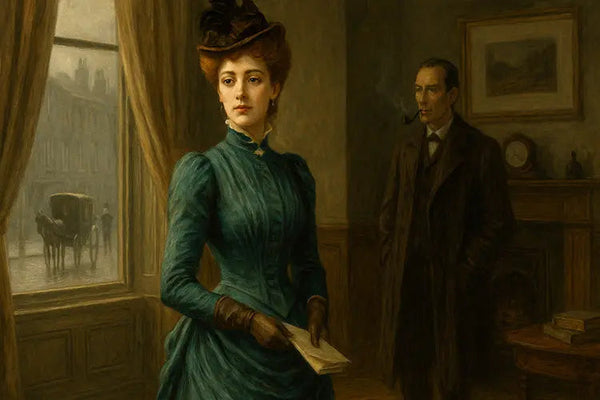
Before Gotham City ever flickered to life — before gargoyles, grappling hooks, and cowled silhouettes — a different caped figure stalked the night. Clad in an Inverness-style cape and long coat, scaling Victorian rooftops, terrifying criminals with reputation alone, and using forensic science to decipher crime scenes, Sherlock Holmes was already doing Batman’s job before Batman existed.
Decades before the Dark Knight’s 1939 debut, Arthur Conan Doyle’s consulting detective defined the archetype of the nocturnal, obsessive, brilliant, morally ambiguous crime-fighter operating outside official channels.
Holmes wasn’t just the first great detective in Western fiction. He was, quite literally, the first caped crusader.
And Batman is, knowingly or not, the most powerful evolution of that template.
Arthur Conan Doyle’s Victorian Detective: The Blueprint for Comic Book Heroes
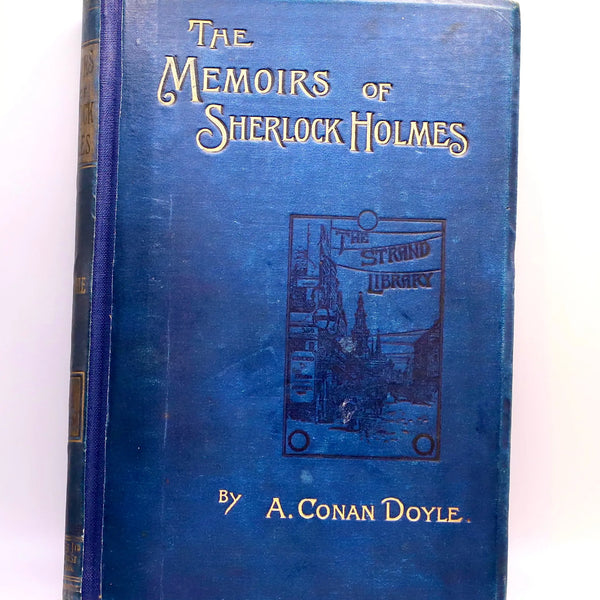
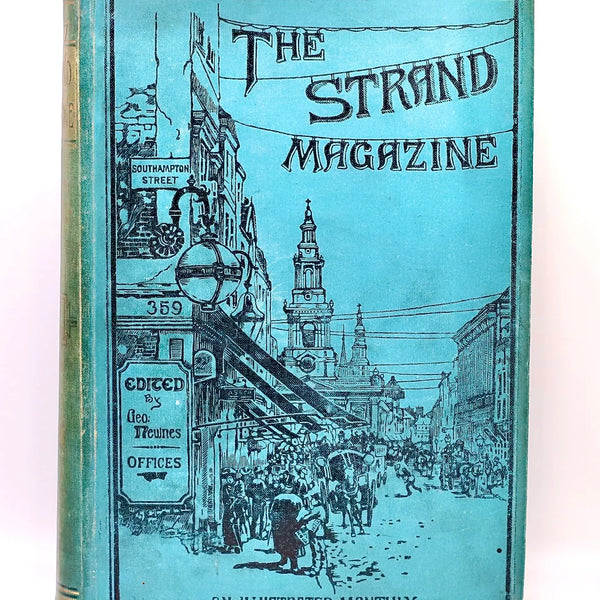
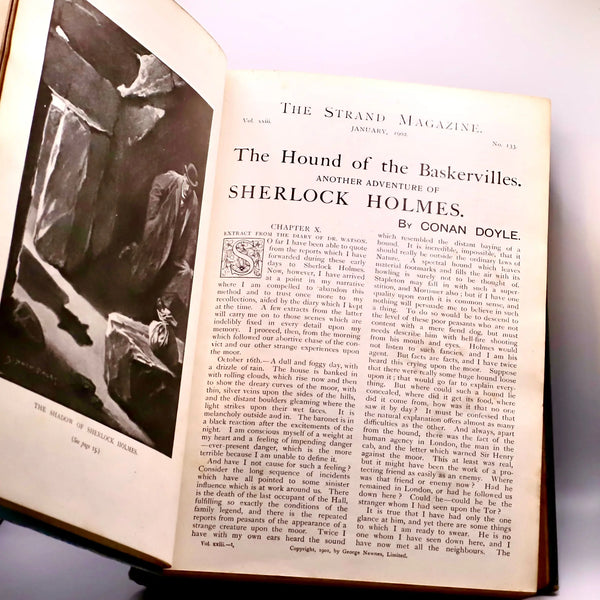
Arthur Conan Doyle’s Victorian detective didn’t just solve crimes — he created the modern grammar of detective fiction, forensic science, and the masked vigilante archetype. From Strand Magazine to DC Comics, and from gas-lit Baker Street to Gotham City, the echoes are undeniable.
Sherlock Holmes and Watson vs Batman and Robin: The Original Dynamic Duo
Sherlock Holmes: The Isolated Genius
- obsessive focus
- razor-sharp deductive reasoning
- forensic experimentation
- social detachment and restless intellect
Dr John Watson: The Humanising Counterweight
Watson brings what Holmes lacks:
- empathy and moral grounding
- courage under fire
- the narrative voice that translates Holmes’ brilliance for the world
- the anchor that keeps Holmes tethered to humanity
(If you love this partnership, you’ll enjoy our Holmes & Watson artwork — see our Holmes & Watson camping card.)
Batman: The Dark Strategist
- trauma-driven crusade
- nocturnal instincts
- detective methods elevated by technology
- a mission teetering between justice and obsession
Robin: The Light That Prevents Collapse
- youth, balance, optimism
- acrobatic skill and emotional intelligence
- the reminder of innocence worth defending
- the stabilising force Batman cannot be without
Two centuries apart, the structure is identical: a brilliant but troubled hero, and the partner who keeps him alive in more ways than one.
Why Sherlock Holmes and Batman Both Wore Capes: Masters of Disguise and the Night
Holmes waits up until dawn for telegrams, prowls London after midnight, and welcomes clients at impossible hours. Batman belongs to the night; Gotham is his natural ecosystem. Both are, at heart, creatures of the dark.
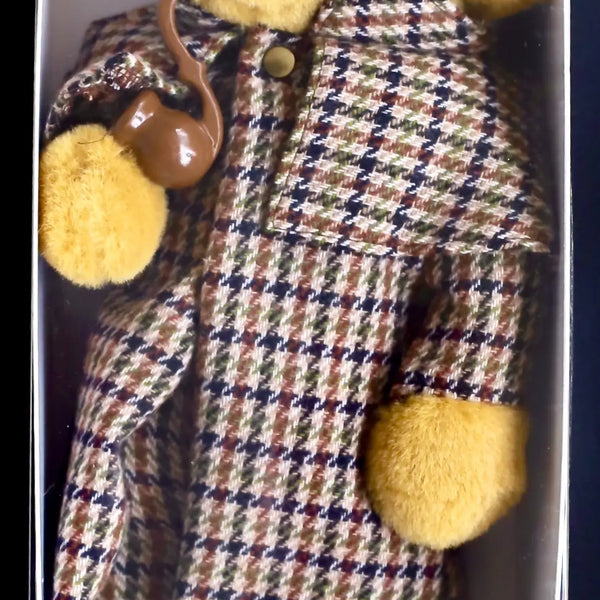
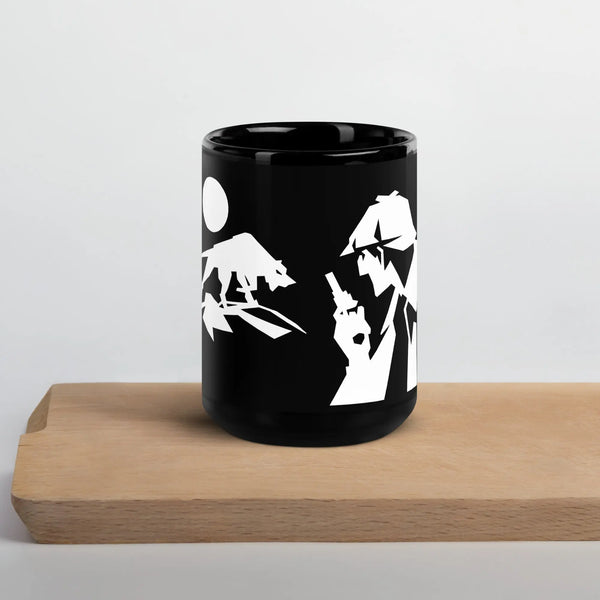
Holmes also embraces theatricality. The long coat and Inverness-style cape silhouette are as iconic in Victorian London as the Bat-cape is in Gotham. Today, fans channel that energy in subtler ways — for example with a modern Sherlock Holmes hoodie that nods to the original detective’s dramatic style.
Both men are also masters of disguise. Holmes dons sailor rags, clerical garb, coachman coats and beggar’s clothes; Batman dons the cowl, and even Bruce Wayne himself is a kind of disguise. For both, identity is a tool, not a fixed state.
And then there are the rooftops. In stories like The Sign of Four, Holmes literally climbs London’s urban architecture in pursuit of criminals. Batman transforms vertical space into an entire language — gargoyles, ledges, high perches. Both claim the heights of their cities, reading them from above.
(You can explore The Sign of Four and other classic public-domain adventures in our Sherlock Holmes stories hub.)
Forensic Detectives: How Holmes Taught Batman to Read Crime Scenes
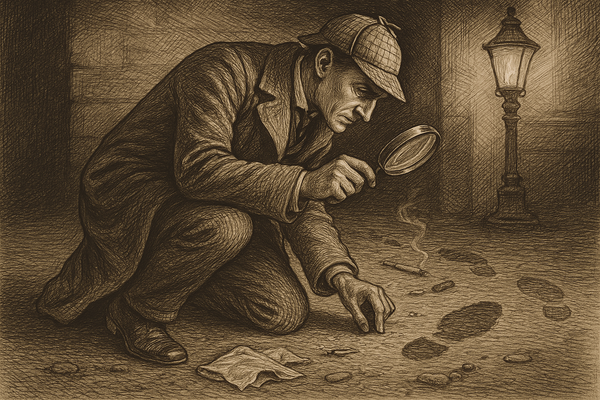
Holmes pioneered forensic science decades before police detectives formally embraced it. He analyses cigar ash, footprints, fibres, handwriting and chemical traces; he reconstructs a crime scene as if it were a text to be decoded.
Batman modernises the same toolkit: ballistics, DNA, chemical profiling, digital forensics, psychological profiling. Both are forensic detectives at heart, treating a crime scene as a story that must be read correctly.
Mrs Hudson and Alfred: The Unsung Heroes Behind Holmes and Batman
Behind every nocturnal hero is someone worrying about the state of the carpets.
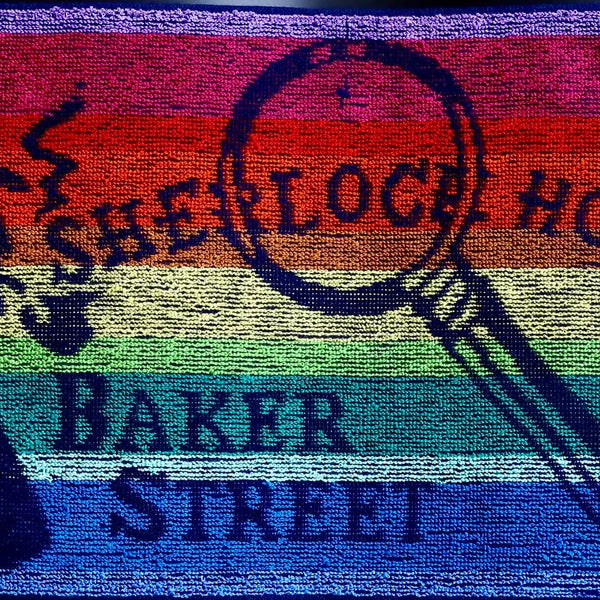
At 221B Baker Street’s bar towel and breakfast table stands Mrs Hudson — feeding the detective, enduring midnight visitors, and providing emotional care disguised as domestic routine. She is the quiet soul of 221B.
At Wayne Manor stands Alfred Pennyworth — maintaining the Batcave, patching wounds (physical and psychological), and offering a parent’s wisdom to a man who refuses to rest.
Both characters maintain the sanctum, disapprove fondly, love their impossible, nocturnal charges, and keep the light on until they come home.
Inspector Lestrade and Commissioner Gordon: Lawmen Off-Balance
Inspector Lestrade and Commissioner Gordon represent the face of respectable law: honest officials who find themselves relying on someone outside the system. Both are forced into uneasy alliances with their resident vigilante — admiring the results while resenting the dependence.
They stand as the bridge between order and outlaw, between paperwork and rooftops.
Mycroft Holmes and Lucius Fox: The Hidden Power Behind the Detective
Mycroft Holmes is not merely Sherlock’s brother — he is the British government’s secret weapon, wielder of influence and intelligence on a national scale. Holmes suggests that Mycroft is the British government in all but name.
Lucius Fox (and, in some eras, Oracle) occupies a similar role in Batman’s world: the power broker with access to confidential data, experimental technology and institutional levers. Both men are strategic enablers — the invisible infrastructure behind the vigilante.
Irene Adler and Catwoman: The Women Who Challenged Holmes and Batman
Irene Adler and Catwoman are the women who crack the detective’s armour.
Irene Adler, “the woman”, outwits Holmes so completely that he never forgets her. Catwoman plays a similar role for Batman — thief, adversary, ally and temptation in one person, reflecting his inner conflict back at him.
Both characters expose the one mystery neither detective can solve with logic alone: their own heart.
Moriarty and The Joker: Intellectual vs Chaotic Evil
Every great detective needs a villain who reflects him.
Professor Moriarty is Holmes’ mathematical opposite number — a criminal mastermind of cold intellect and long-term design. The Joker is Batman’s moral and psychological nemesis — a creature of chaos and nihilism.
Holmes meets Moriarty at Reichenbach; Batman meets the Joker everywhere, endlessly. Both villains exist to test — and define — the hero.
Class and Privilege: Wealth as a Weapon for Justice
Holmes is a gentleman with enough private income to pick and choose his cases. Bruce Wayne is a billionaire with the resources to wage a one-man war on crime. Both men could choose leisure; both choose duty.
In each universe, class and wealth become tools in the pursuit of justice rather than mere comfort.
Historical Context: Why Batman Couldn’t Escape Sherlock Holmes’ Shadow
When Batman debuted in 1939, the world was already saturated with Sherlock Holmes. The Basil Rathbone films launched that same year, Holmes radio dramas were global, and detective stories dominated popular fiction. Bill Finger, Batman’s principal co-creator, lived in a culture shaped by Holmes’ silhouette — whether consciously or not.
Batman didn’t just inherit a cape. He inherited an archetype.
The Legacy: From Baker Street to Modern Superhero Cinema
The Holmes–Batman lineage thrives across modern media. Robert Downey Jr.’s action-hero Holmes, BBC’s Sherlock, and Christopher Nolan’s Dark Knight trilogy all lean heavily into the idea of the brilliant, damaged, forensic-minded detective. Whether the setting is Baker Street or Gotham City, the spine is the same.
Holmes lit the lantern. Batman turned it into a spotlight.
Two detectives, two centuries, one mission: to confront the darkness that official channels cannot reach.
FAQ: Sherlock Holmes and Batman
Was Batman inspired by Sherlock Holmes?
While Bob Kane never formally cited Holmes as an influence, the parallels are extraordinary. Holmes dominated popular culture in the 1930s, and Batman clearly inherits the archetype of the caped, nocturnal, deductive crime-fighter.
Why is Sherlock Holmes called the first caped crusader?
Holmes wore an Inverness-style cape, scaled rooftops, used disguises and hunted criminals at night — decades before Batman’s first appearance in 1939. He was literally a caped crusader fighting crime in Victorian London.
What do Sherlock Holmes and Batman have in common?
Both are nocturnal detectives who operate outside traditional law, use disguise and reputation strategically, rely on partners (Watson and Robin), and maintain iconic home bases (221B Baker Street and Wayne Manor).
Dress the Part: Step Into the Detective’s Cape
Whether you walk the foggy streets of Baker Street or the neon alleys of Gotham, every aspiring detective needs the right gear.
Explore our collection of Sherlock Holmes hoodies and apparel — modern takes on a classic silhouette — in our Apparel Collection, or browse all our Sherlock Holmes merchandise in the full collection.